3 Stones You Can't Go Wrong With: Calacatta Viola, Taj Mahal, and Super White
Calacatta Viola, Taj Mahal Quartzite, and Super White create three very different moods, but each is remarkably easy to build a room around. Compare their colour, performance, finish, and recent raw-material price references before choosing.
Public price snapshot
Recent raw-slab material references per square metre
| Market | Public price | What it covers |
|---|---|---|
| Calacatta Viola | About US$1,400 local vs under US$900 through China | At least US$500/m2 below the local reference for selected raw material. Origin, background colour, burgundy movement, repairs, slab size, and usable yield affect the quote. |
| Taj Mahal Quartzite | About US$470 local vs around US$250 through China | About US$220/m2, or roughly 47%, below the local reference in this example. Quarry lot, grade, thickness, tone, and movement can change the material price. |
| Super White | About US$400 local vs around US$200 through China | About US$200/m2, or roughly 50%, below the local reference in this example. Confirm the geological classification, finish, soundness, repairs, and usable dimensions of the selected slabs. |
Three stones that make the design decision easier
Choosing stone is difficult because a small sample has to represent an entire kitchen, bathroom, or fireplace. The safest option is not always the plainest one. It is the material whose colour direction, movement, and practical character fit the room you are actually building.
Calacatta Viola is the expressive choice. Taj Mahal Quartzite is the warm neutral. Super White is the cooler, more contemporary option. They do not look alike, but each gives a designer a clear palette to work from and can become the starting point for the rest of the interior.
The right one depends on more than popularity. Compare the actual slabs, how the room will be used, the cabinet colour, the finish, and the total project scope before making the final decision.
1. Calacatta Viola: the statement that still feels timeless
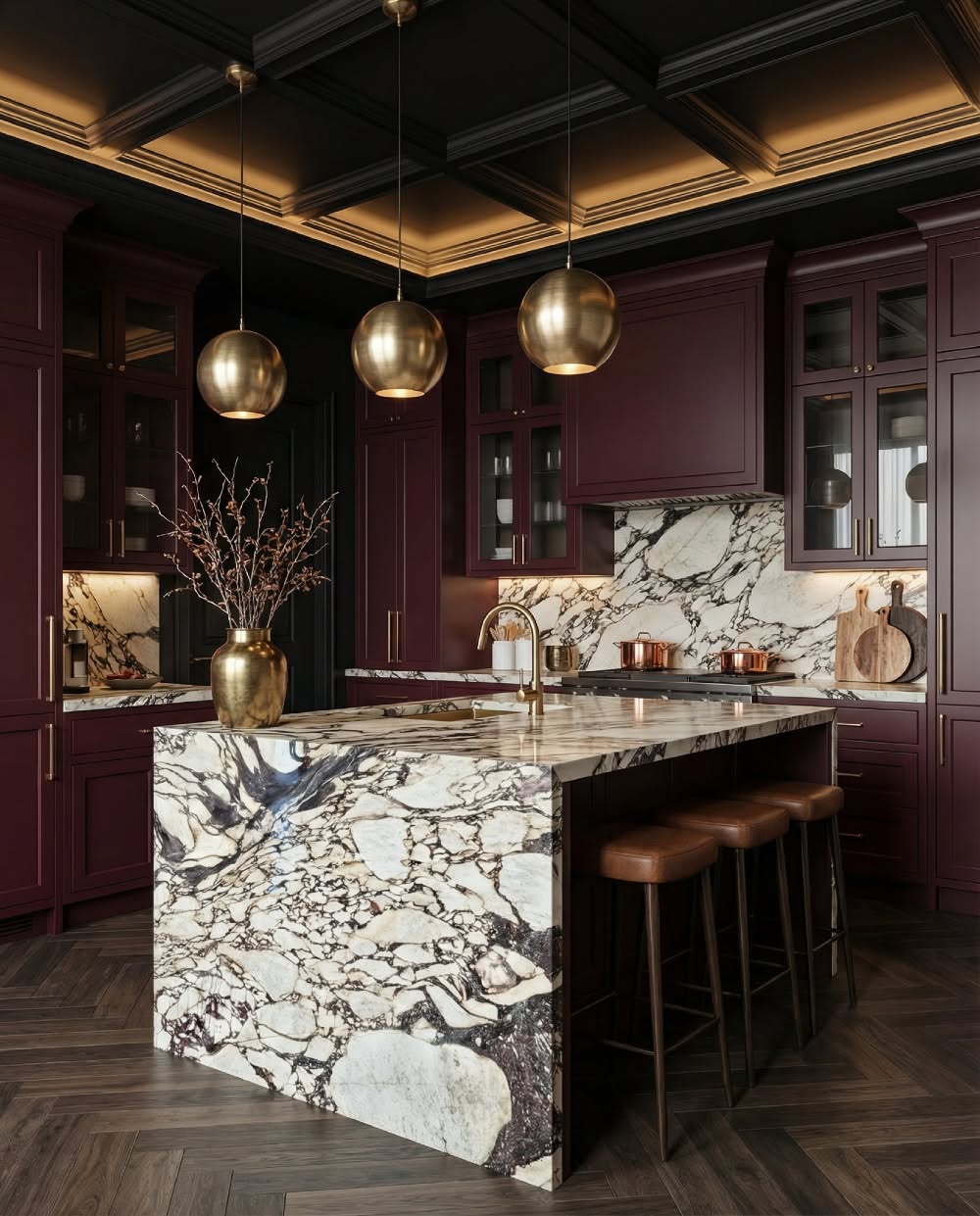
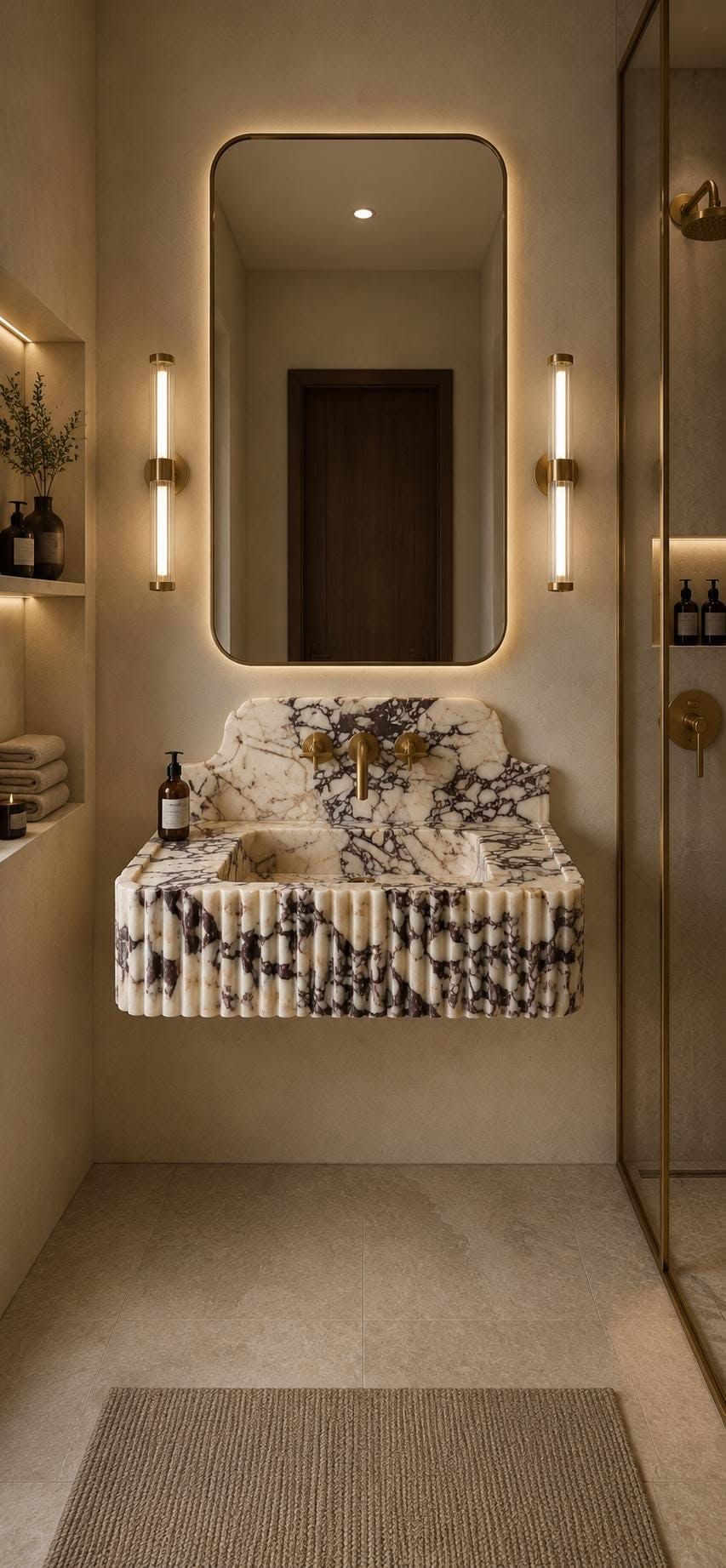
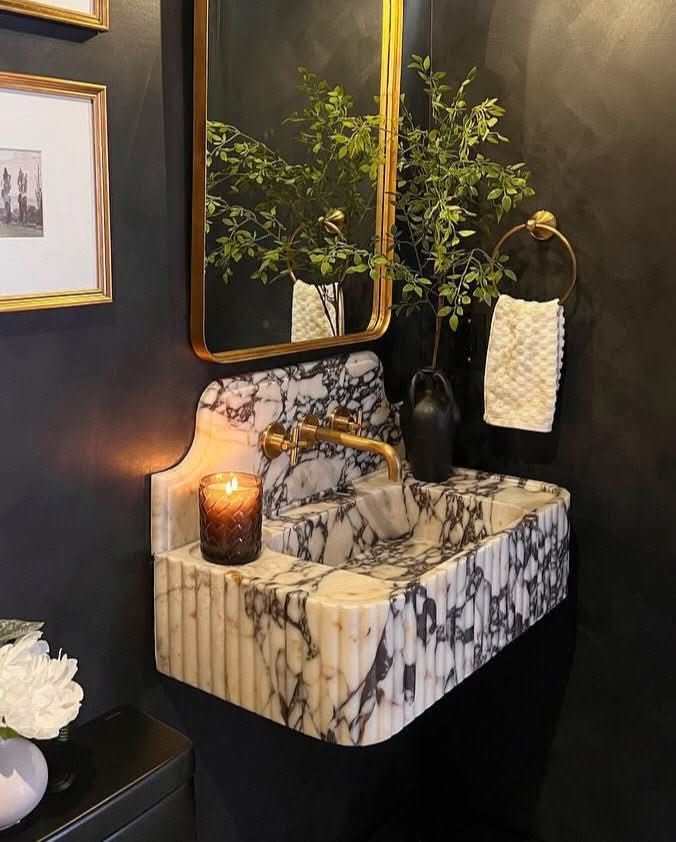
Calacatta Viola combines a creamy white base with dramatic violet, plum, and burgundy movement. Some slabs form broad diagonal sweeps; others break into large rounded breccia patterns. That variation is part of the appeal, but it also makes full-slab selection essential.
The warm background allows it to work in more interiors than its dramatic pattern suggests. Pair it with dark oak, walnut, burgundy, olive, cream plaster, or aged brass. In a kitchen it becomes the focal point; in a powder room, one carved or fluted sink can be enough to define the whole space.
Calacatta Viola is marble, so it can etch when exposed to acids and will develop a patina with use. That does not make it a bad kitchen material, but the owner should understand the ageing before choosing it. A honed finish can make that evolution feel softer and more intentional.
A recent reference was about US$1,400 per square metre from a local supplier versus under US$900 through China for selected raw material. Premium Italian bundles with a clean background, deep burgundy colour, large slabs, and strong matching potential can cost more.
2. Taj Mahal Quartzite: the warm neutral that works with almost any cabinet
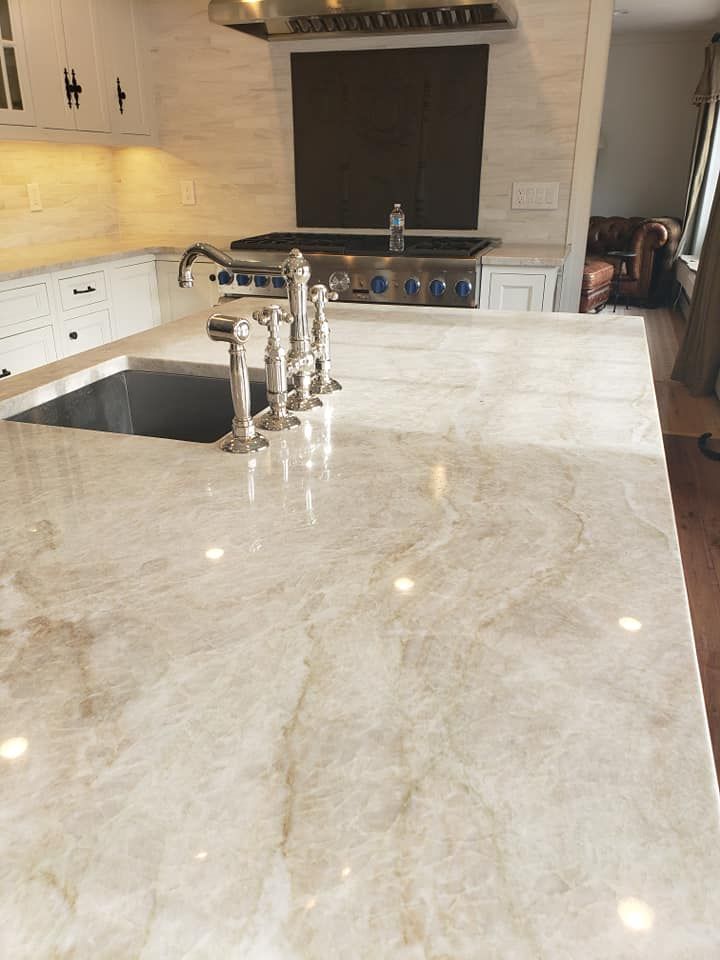
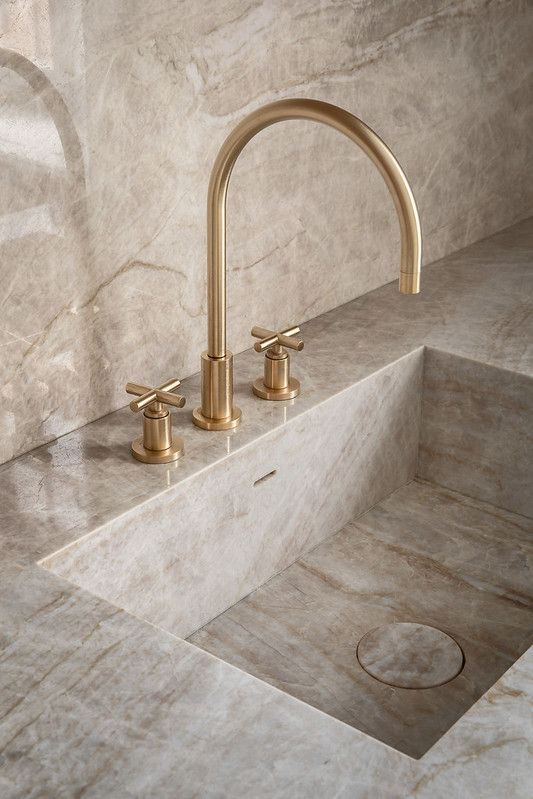
Taj Mahal Quartzite is one of the most requested stones in current kitchen design. Its ivory-to-beige background and soft brown, gold, or grey movement give the room warmth without forcing the rest of the palette in one direction.
That flexibility is why it works with white, cream, taupe, oak, walnut, and many painted cabinet colours. A polished finish reflects more light and makes the pattern clearer. A honed finish feels quieter and can give the kitchen a softer, more considered character.
Taj Mahal is generally sold as Brazilian quartzite, but slabs still vary by quarry lot and grade. Some are pale and creamy, while others lean greener, greyer, or more golden. Approve full-slab images under neutral light rather than relying on a sample or a material name.
The recent comparison used about US$470 per square metre locally versus around US$250 through China for selected raw material. That is a working reference, not a universal price: grade, thickness, finish, movement, slab size, and usable yield all matter.
3. Super White: a cool, graphic option for modern rooms
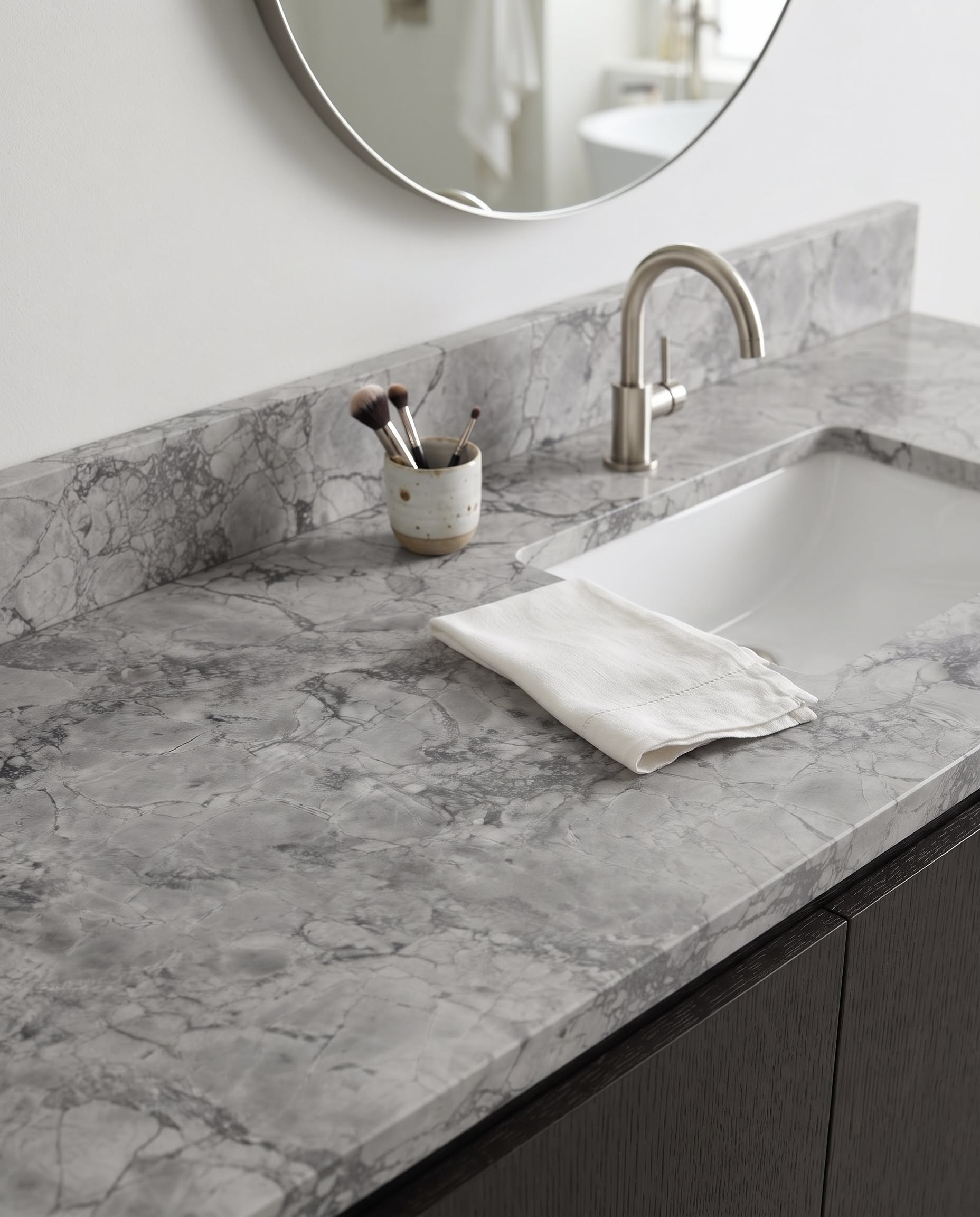
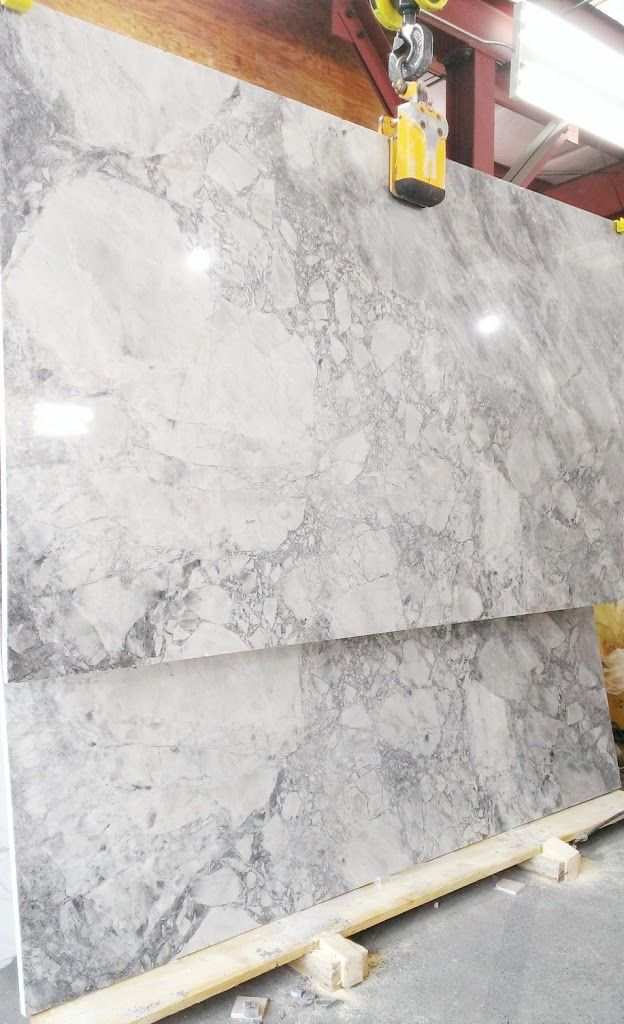
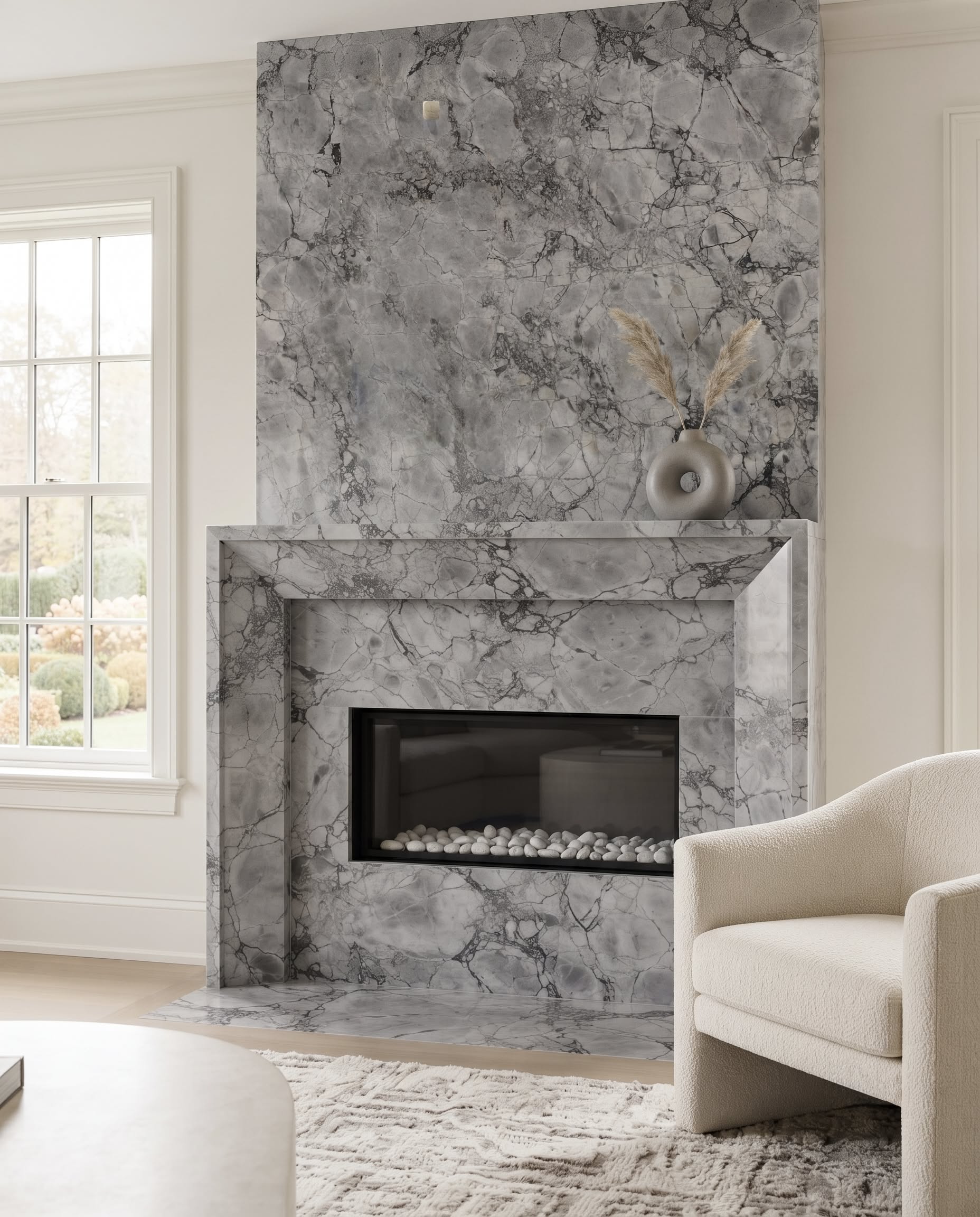
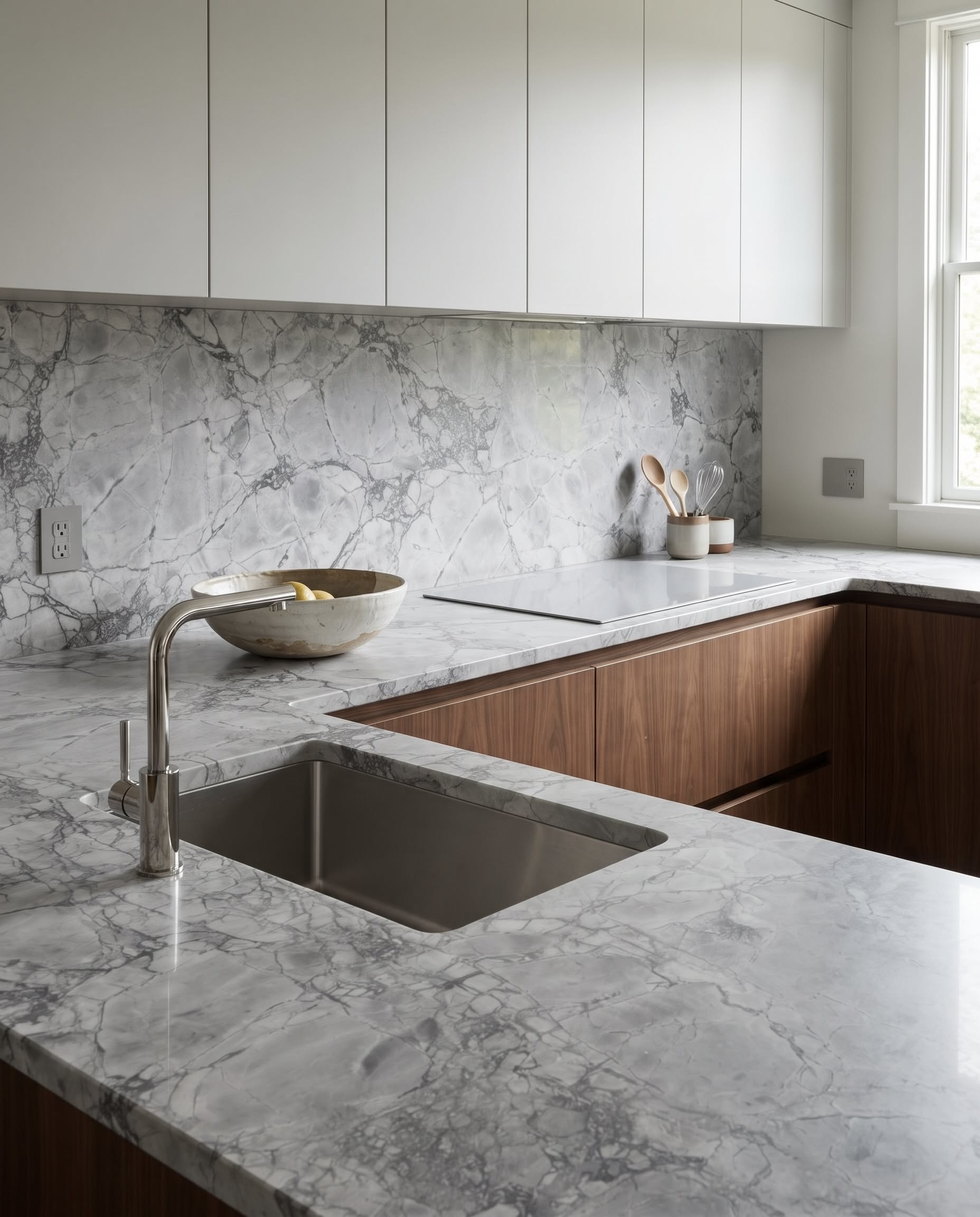
Super White usually has a pale grey-to-white field with darker grey brecciated movement. It suits kitchens and bathrooms built around white, charcoal, black, stainless steel, cool timber, or clean modern cabinetry.
The name can be confusing. Super White is a commercial label, and suppliers may describe material under that name as dolomite, dolomitic marble, quartzite, or even granite. Those names do not guarantee identical performance. If scratch resistance, acid sensitivity, or a demanding kitchen application matters, confirm the classification and test the selected slabs rather than relying on the label.
Many Super White slabs sold as dolomitic material can be harder than typical calcite marble, but that does not automatically make them true quartzite or immune to etching. The honest choice is to match the actual slab to the intended use and the owner's expectations.
A recent comparison used about US$400 per square metre locally versus around US$200 through China for selected raw material. Soundness, resin and repairs, finish, slab size, pattern, and usable yield should all be visible before two prices are treated as equivalent.
Choose by mood first, then verify the material
Choose Calacatta Viola when the stone should be the main event. Choose Taj Mahal when the room needs warmth, calm, and maximum cabinet flexibility. Choose Super White when the design is cooler, sharper, and more contemporary.
Then move from inspiration to evidence. Ask for current full-slab photos and video, dimensions, thickness, finish, repair information, and the proposed cutting layout. A beautiful material at a low square-metre price can become expensive if the slabs are too small, the usable yield is poor, or the movement cannot be placed well.
For kitchens, also decide how you feel about patina and maintenance. Marble, quartzite, and dolomitic materials do not age in exactly the same way. Sealing helps manage absorption, but it does not make every natural stone stain-proof, scratch-proof, or acid-proof.
What the price comparison includes
The prices in this article are recent reference points for selected raw slab material per square metre. They do not include project-specific fabrication, packing, freight, customs charges, local taxes, templating, or installation.
A fair comparison needs the same origin or classification, grade, thickness, finish, slab count, usable dimensions, and fabrication scope. Calacatta Viola can change sharply by Italian selection and pattern. Taj Mahal changes by quarry lot and colour. Super White requires particular care because the commercial name is used for materials with different classifications.
Send John your inspiration image, rough dimensions, cabinet colour, intended finish, and country. He can check current slabs and help compare the material budget against the finished result you want.
Public price references
General background on marble characteristics and natural variation.
Care guidance for natural stone, including neutral cleaners, sealing, and avoiding acidic or abrasive products.
Questions people usually ask
Which of these three stones is easiest to design around?
Taj Mahal Quartzite is usually the most neutral because its warm ivory and beige movement works with a broad range of cabinet colours. Calacatta Viola is more expressive, while Super White is better suited to a cool grey or modern palette.
Is Calacatta Viola suitable for a kitchen countertop?
Yes, when the owner understands that it is marble and can etch or develop a patina with acidic food and daily use. Discuss finish, sealing, cleaning, and ageing expectations before specifying it for a hard-working kitchen.
Is Super White marble, dolomite, or quartzite?
Super White is a commercial name used inconsistently in the stone market. Many slabs are sold as dolomite or dolomitic marble, while others may be labelled quartzite or granite. Confirm the geological classification and test the actual slab when performance matters.
Does a honed finish make natural stone stain-proof?
No. Honing changes the sheen and visual character; it does not make the material stain-proof or acid-proof. The stone type, porosity, sealing, cleaning routine, and use all affect performance.
Do these prices include fabrication and shipping?
No. They are recent raw-slab material references per square metre. Fabrication, packing, freight, customs charges, taxes, templating, and installation depend on the project and destination and are quoted separately.