Why Calacatta Viola, Taj Mahal, and Carrara Can Cost 38-43% Less from China
A premium stone does not become a different stone because it crosses a border. Here is a recent like-for-like comparison of premium Calacatta Viola, Taj Mahal, and Carrara: the local supplier price versus the source price we can offer from China.
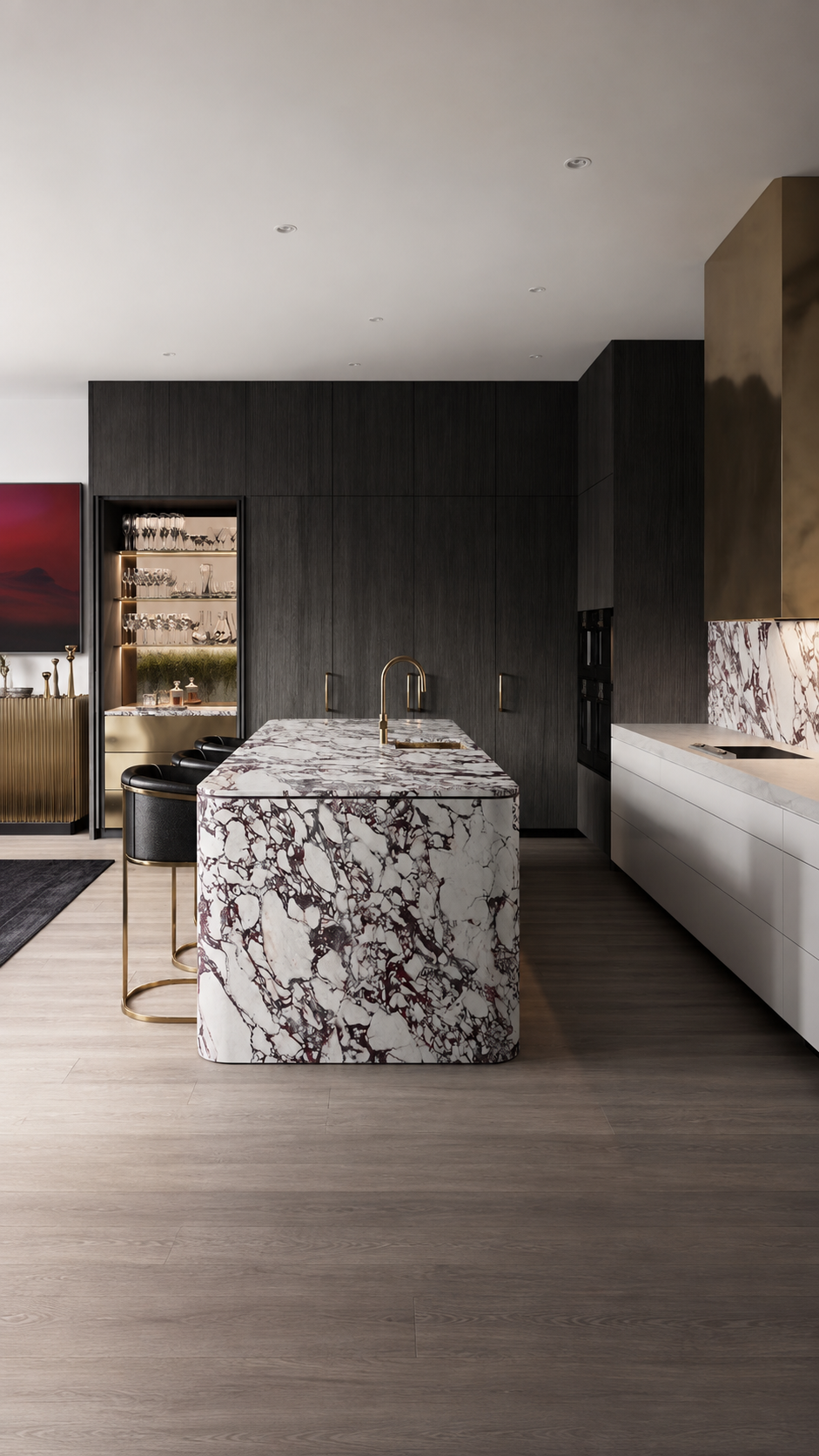
Public price snapshot
Recent raw-material reference prices per square metre
| Market | Public price | What it covers |
|---|---|---|
| Premium Calacatta Viola | US$1,460 local vs under US$900 from China | At least US$560/m2 lower, or about 38% below the local reference. This refers to premium selected slabs, not lower-grade lookalikes. |
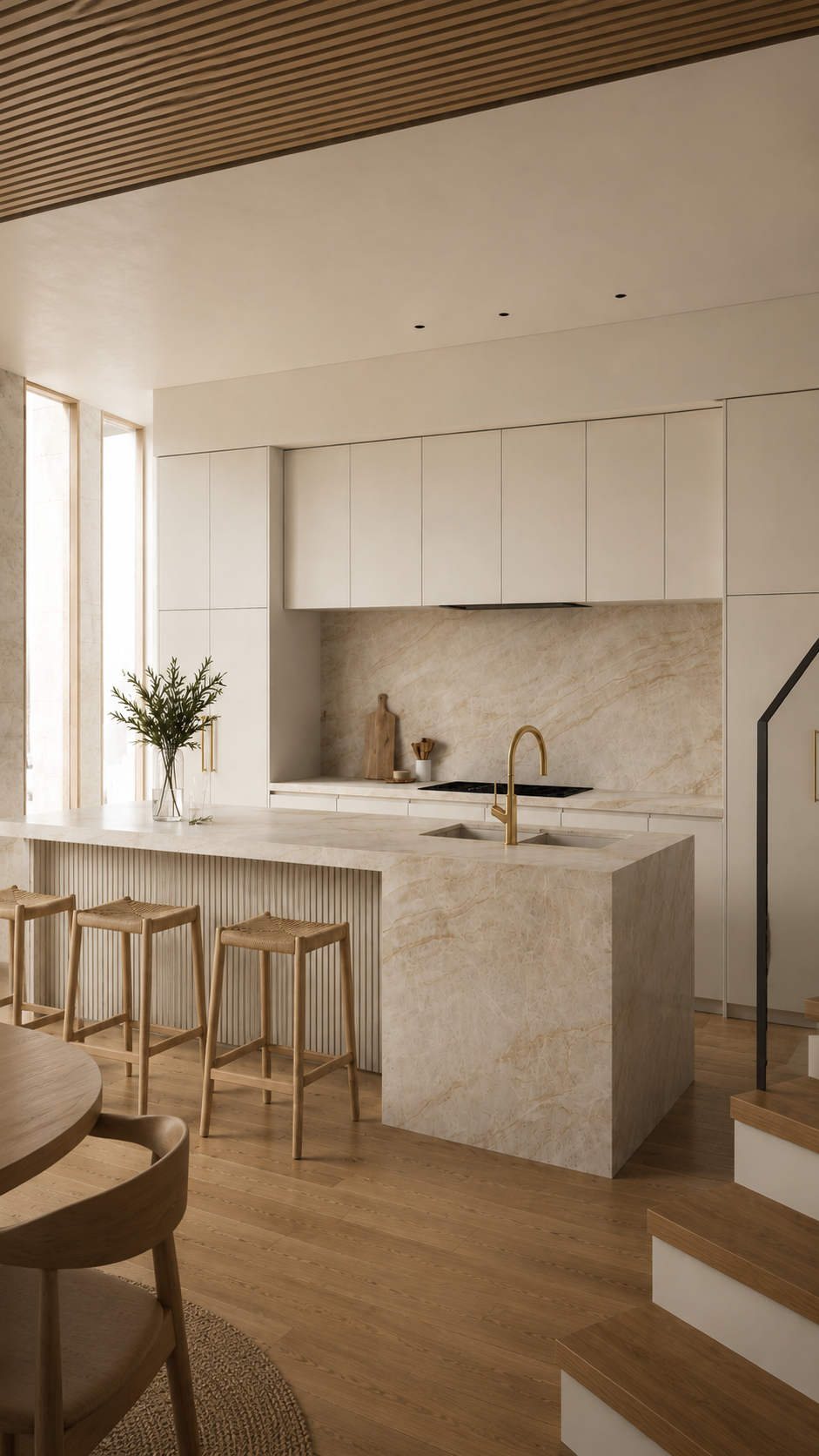
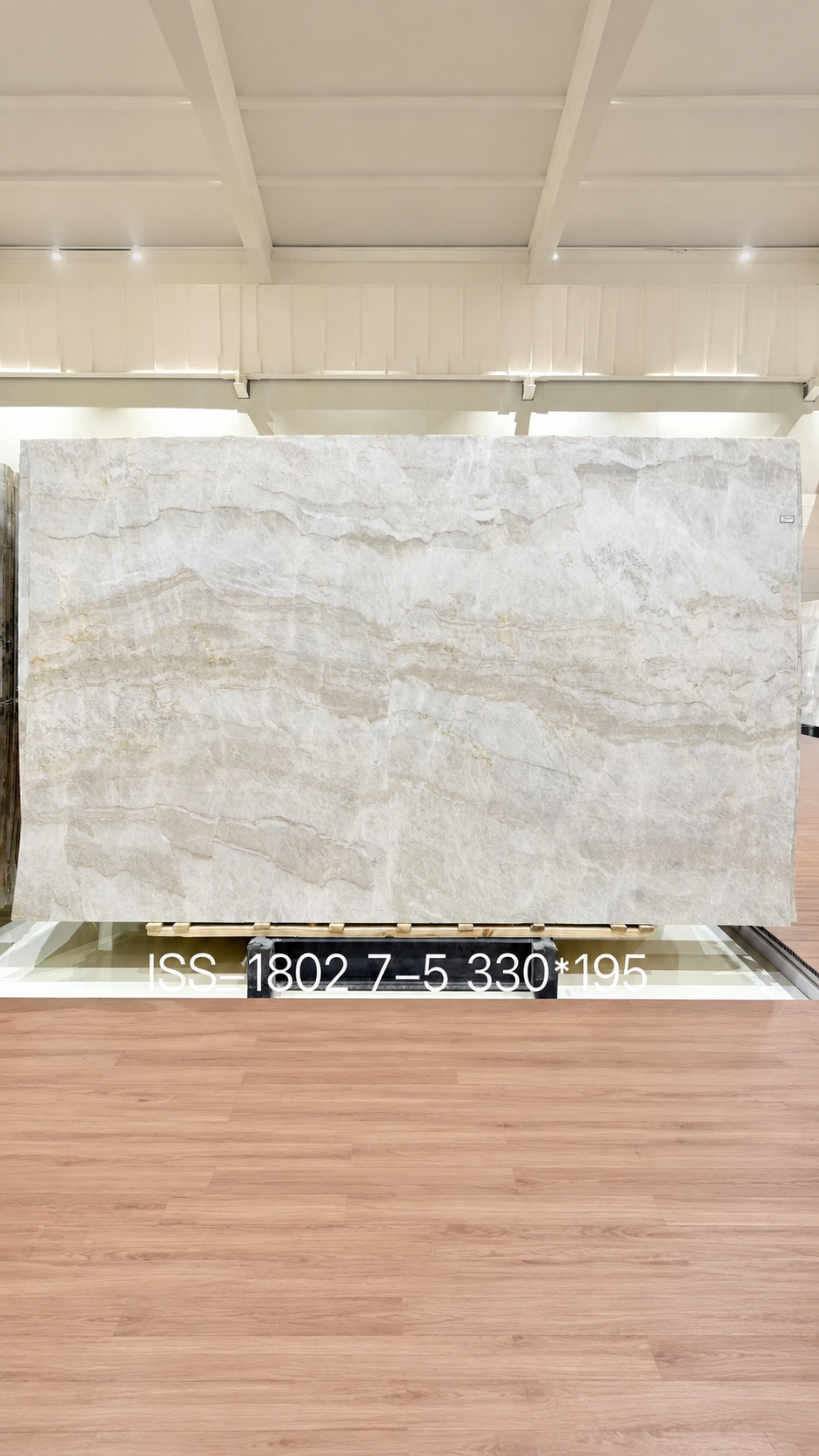
| Taj Mahal | US$470 local vs US$280 from China | US$190/m2 lower, or about 40% below the local reference, for the selected material comparison. |
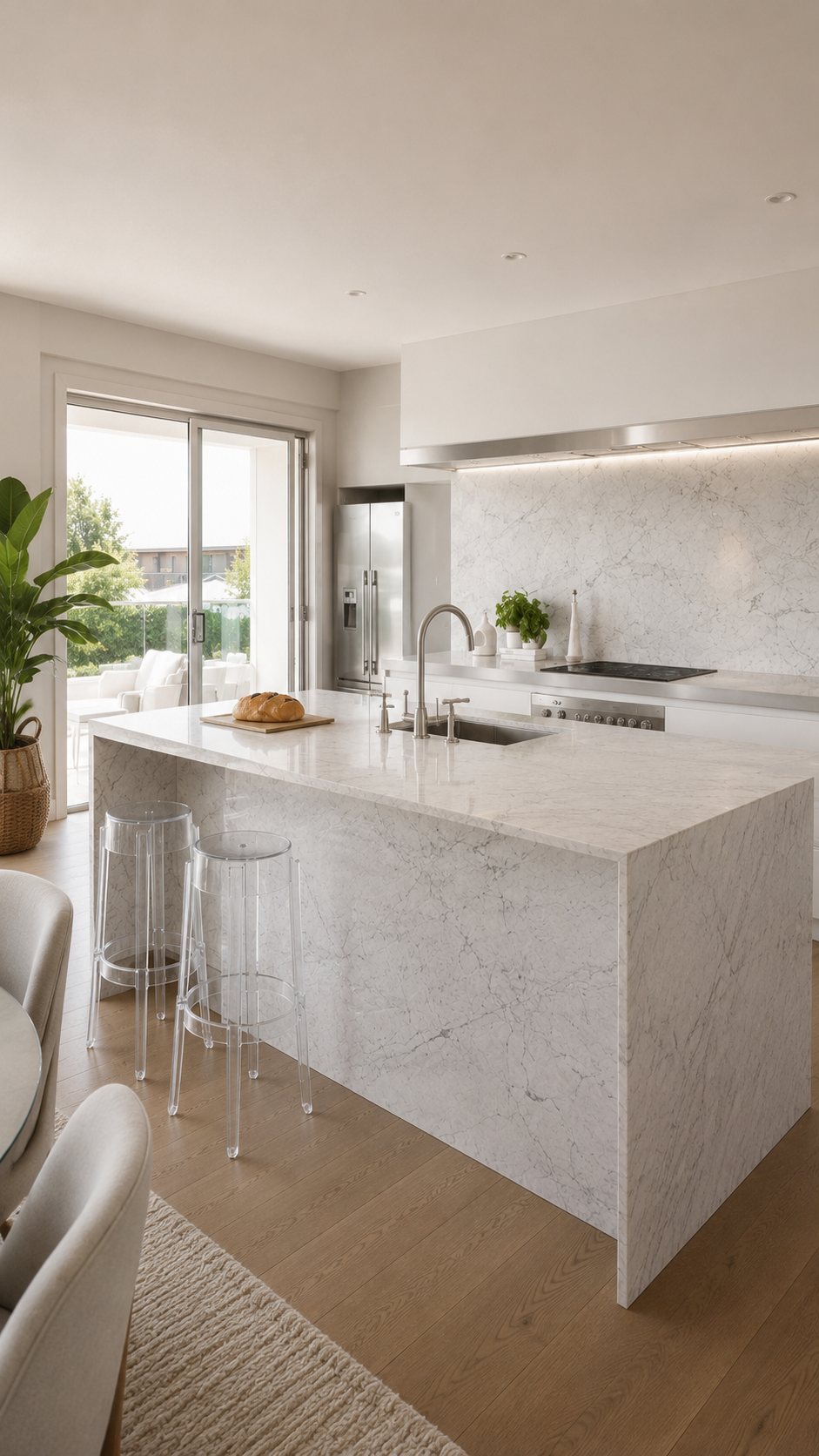
| Carrara | US$247 local vs US$140 from China | US$107/m2 lower, or about 43% below the local reference, for the selected material comparison. |
The point is not to buy a cheaper-looking stone
When someone sees a lower stone price from China, the first question is reasonable: is it the same quality? Sometimes the answer is no. A low number can hide a smaller slab, a different thickness, a weaker background, more repairs, less usable yield, or simply a different grade.
That is not the comparison here. These are recent reference prices for selected material: premium Calacatta Viola, Taj Mahal, and Carrara. The question is not whether a mediocre slab can be cheaper. It is why the same level of stone can still cost so much less before it reaches a local showroom.
A recent price comparison: three stones, three very different price gaps
For premium Calacatta Viola, a local supplier reference was US$1,460 per square metre. Sourcing the premium material with us from China was under US$900 per square metre. That is a difference of at least US$560 per square metre, or roughly 38%.
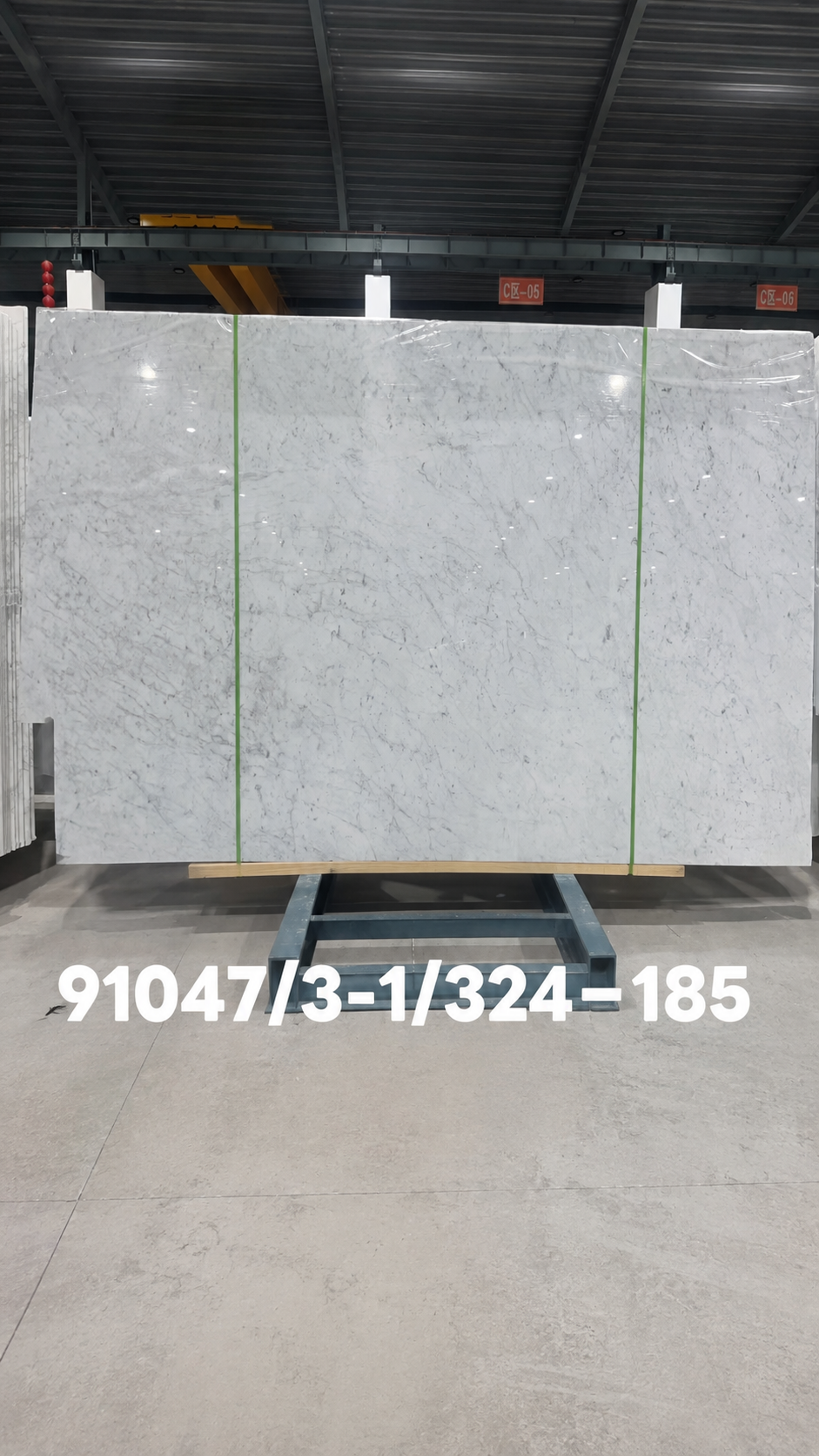
For Taj Mahal, the local reference was US$470 per square metre compared with US$280 from China: US$190 per square metre, or about 40%, lower. For Carrara, the comparison was US$247 locally and US$140 from China: US$107 per square metre, or about 43%, lower.
Those numbers are not a universal price list. Natural stone changes with the lot, the size of the slabs, thickness, finish, quantity, and selection standard. They are a useful illustration of the gap that can appear when the sourcing route is shorter.
Why the gap appears before fabrication even starts
Stone moves through several hands before it arrives at a local showroom. A quarry or original block supplier sells to an importer, the importer sells through a distributor or wholesaler, and the local supplier still needs to carry stock, display it, and cover slow-moving inventory. Each stage has a real job to do, but each one also adds margin.
Shuitou is where a large share of the international stone trade is assembled, cut, inspected, and offered for wholesale selection. That concentration makes it possible to compare several current bundles instead of taking the one or two slabs that happen to be available locally. It also reduces the number of commercial layers between the material and the project.
That is why a source price can be 38-43% lower without changing the basic material specification. The savings do not come from pretending a lower grade is premium. They come from sourcing closer to the stock and selecting the actual slabs before fabrication.
Premium Calacatta Viola: the grade matters more than the name
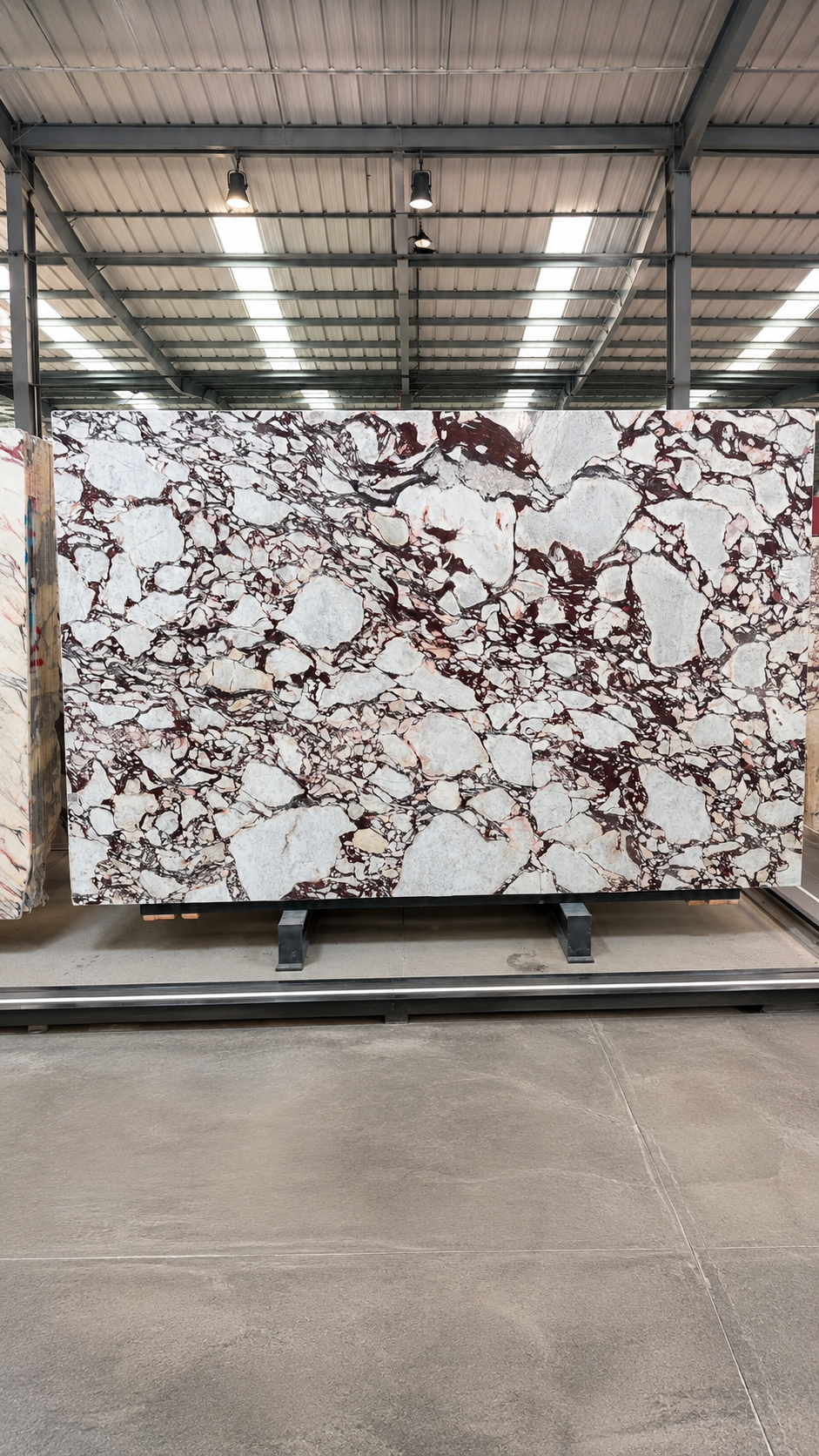
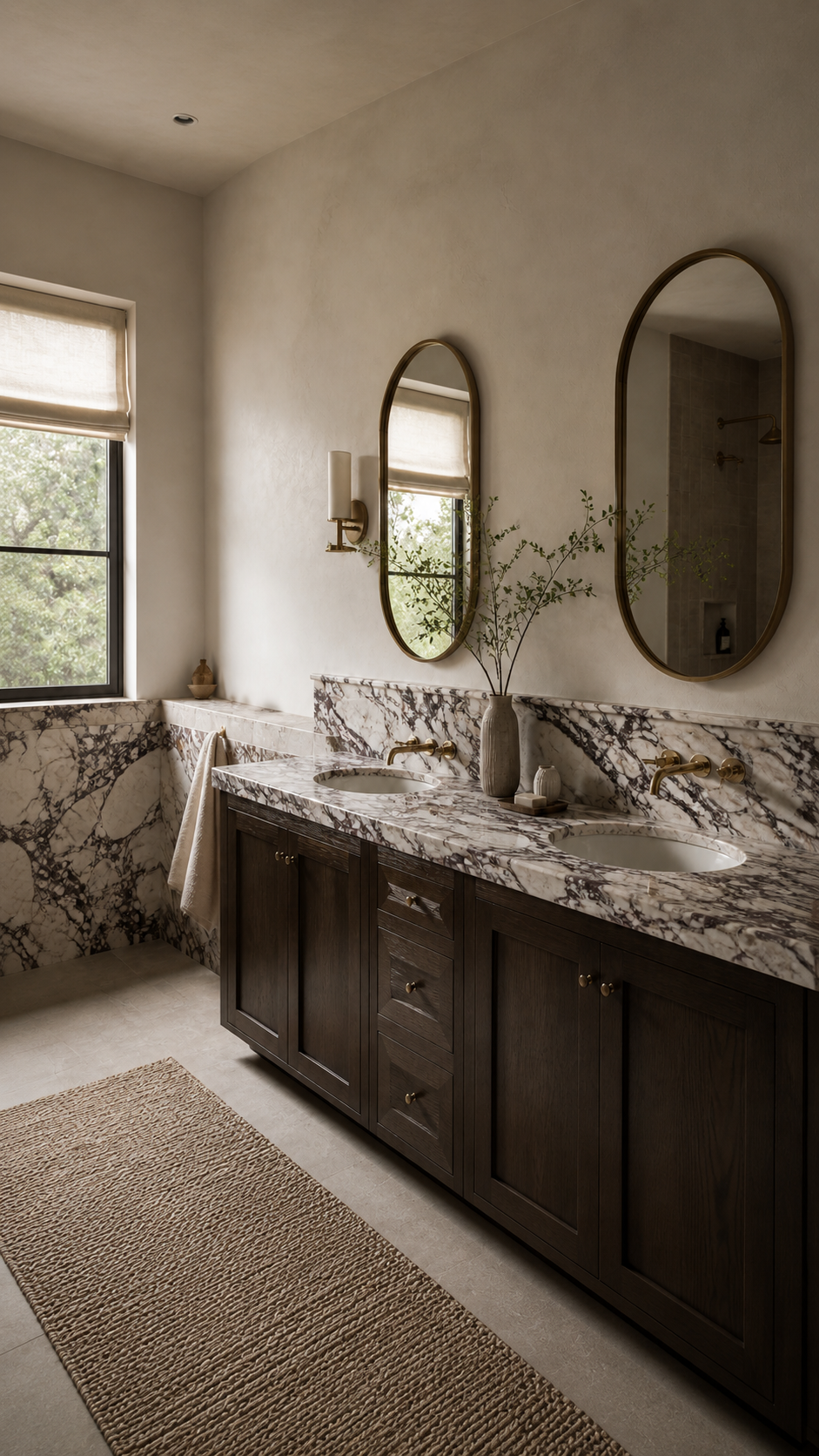
Calacatta Viola is a useful example because the name covers a very wide visual range. The best slabs have a clean white to creamy background, strong wine-red or deep burgundy movement, good-sized areas of colour, and enough sound material to make a dramatic island, vanity, or feature wall. Lower-grade options can be much muddier, more fractured, or less consistent.
A serious comparison begins with full-slab video. If one quote is based on a premium full slab and the other is based on a small sample image, the numbers are not comparable. We share current full-slab photos and video so that you can approve the stone before it is fabricated.
What these material prices do and do not include
The figures in this article are raw-material reference prices per square metre. They do not include cutting, mitred edges, sink cut-outs, polishing, packing, freight, local taxes, customs charges, or installation. A finished kitchen or bathroom needs a separate quotation based on drawings, slab layout, and destination.
This distinction protects you from a misleading comparison. The right way to compare offers is to make the scope visible: the exact slabs, thickness, finish, number of slabs, fabrication drawings, packing method, shipping destination, and installation responsibility. A lower raw slab price is valuable, but it should be followed by a complete project budget.
How to get a like-for-like stone quote
Send a room photo or inspiration image, your rough dimensions, your country, and the stone you are considering. We will first confirm whether the look needs a particular premium bundle or whether there are several suitable options. Then we can show you the real full slabs, calculate the likely material quantity, and price fabrication separately if you need it.
The goal is simple: you should know exactly which stone you are buying, why it costs what it costs, and whether it suits the project before any cutting begins. If you are sourcing Calacatta Viola, Taj Mahal, Carrara, or another natural stone for your next project, send the reference image and we will check the current selection.
Questions people usually ask
Are the China stone prices in this article delivered prices?
No. These are raw slab material reference prices per square metre. Fabrication, packing, freight, local taxes, customs charges, and installation depend on the project and destination and are quoted separately.
Does a lower price mean the stone is lower quality?
Not necessarily. Natural stone quality must be checked from the actual full slabs, including background colour, pattern, soundness, repairs, thickness, and usable yield. The purpose of direct sourcing is to compare selected slabs at the source, not to substitute a lower grade without saying so.
Why can stone from China be less expensive than a local supplier?
A local price can include import, distribution, showroom, inventory, and retail margins. Sourcing near wholesale stock can reduce the number of commercial layers. The final project comparison should still include fabrication, packing, freight, taxes, and installation.
How can I compare two stone quotes fairly?
Compare full-slab photos or video, origin and grade, thickness, finish, number of slabs, usable dimensions, fabrication scope, packing, shipping destination, taxes, and installation. A price by itself is not enough to show whether two offers are equivalent.